
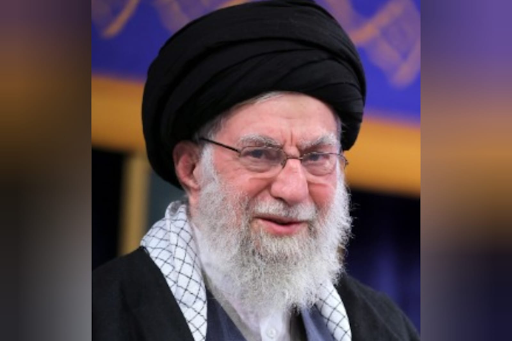
The assassination of the Supreme Leader has not dampened Iran’s military ambitions in the Persian Gulf. On the contrary, the IRGC and other security forces have signaled their commitment to continuing the conflict, viewing the airstrikes as a call to action rather than a reason to retreat. The military’s “intact and committed” status is a key message being sent to both domestic and foreign audiences.
Security in the capital remains tight, with the government taking no chances with public order. The recent incident where a journalist accidentally voiced anti-regime sentiments on air is a stark reminder of the potential for domestic unrest. The massive deployment of paramilitaries is intended to show that the state is still very much in control, despite the loss of its top leader.
The constitutional roadmap for succession is being followed, with an interim council now in place. This council will manage the state’s duties until the Assembly of Experts can select a permanent replacement. This period of transition is a delicate time for the Islamic Republic, as different factions—most notably the IRGC—vying for influence over the next leader.
Mojtaba Khamenei remains a central figure in succession talks. His potential rise to power is seen as a way to ensure the continuity of the current military-focused policies. However, his candidacy is complicated by his familial ties to the late leader, which some see as a move toward a hereditary monarchy that the revolution originally sought to overthrow.
One of the most significant questions for the future is the fate of Iran’s nuclear edict. The late leader’s religious opposition to nuclear weapons was a key part of his authority. In his absence, the IRGC may push for a change in policy, arguing that the recent airstrikes prove the need for a nuclear deterrent to protect the country’s leadership and sovereignty.