
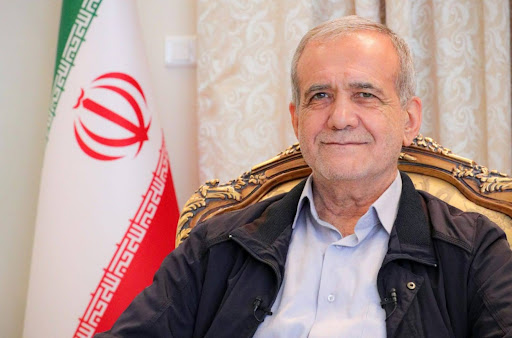
Iranian President Masoud Pezeshkian has drawn a clear line for Gulf nations, telling them they must choose between hosting enemy military operations or pursuing their own security and development. His message, delivered over a month into the Iran-US war, reflects Tehran’s effort to shift the regional diplomatic landscape. Iran is evidently seeking to sever the link between Gulf states and the American military campaign.
Gulf nations including Saudi Arabia, the UAE, Oman, Qatar, and Kuwait have been entangled in the conflict through the use of their territory by US forces to strike Iran. Tehran has retaliated by targeting those nations directly. The resulting instability has raised the stakes for Gulf governments, which must now confront the direct costs of their security arrangements.
Pezeshkian communicated his position through X, reiterating Iran’s non-preemptive but firmly retaliatory military stance. He asked Gulf leaders to reflect on whether hosting enemy forces served their own national interests, framing this as a choice between their neighbours’ war and their own national future. The appeal was firm, measured, and framed in the language of shared regional destiny.
Pakistan’s diplomatic initiative has been highly active, with Prime Minister Shehbaz Sharif engaging Iranian leadership and facilitating talks aimed at bringing the conflict to an end. Sharif’s meeting with Pezeshkian produced the key takeaway that Iran sees trust as indispensable to any peace process. Pakistan’s role has been warmly acknowledged by Tehran.
Pakistan is hosting a major diplomatic meeting with foreign ministers from Saudi Arabia, Egypt, and Turkey attending. The talks, led by Pakistani Foreign Minister Ishaq Dar and Prime Minister Sharif, aim to create a joint regional framework for de-escalating the war. The scope of the meeting reflects the seriousness with which regional actors view the current crisis.